THE NURSING OFFICE.COM
A nurse-led, community-rooted public health infrastructure designed to keep people safe, connected, and cared for where they live, work, and move.
Health For the People, By the People
October 2026
Welcome to The Nursing Office. Com.
We created this Community and Public Health Delivery System because our healthcare structure leaves too many people behind. Families, caregivers, and communities need support long before they enter hospitals — they need guidance, prevention, and connection at the ground level.
The Nursing Office.Com exists to fill that gap.
We bring health back to the community, where people live, learn, work, and heal. By starting at zero ground with the people, for the people, we build a system that is accessible, compassionate, and rooted in everyday life.
Myrna D. Santos, MSN, PHN, RN
Founder & Principal

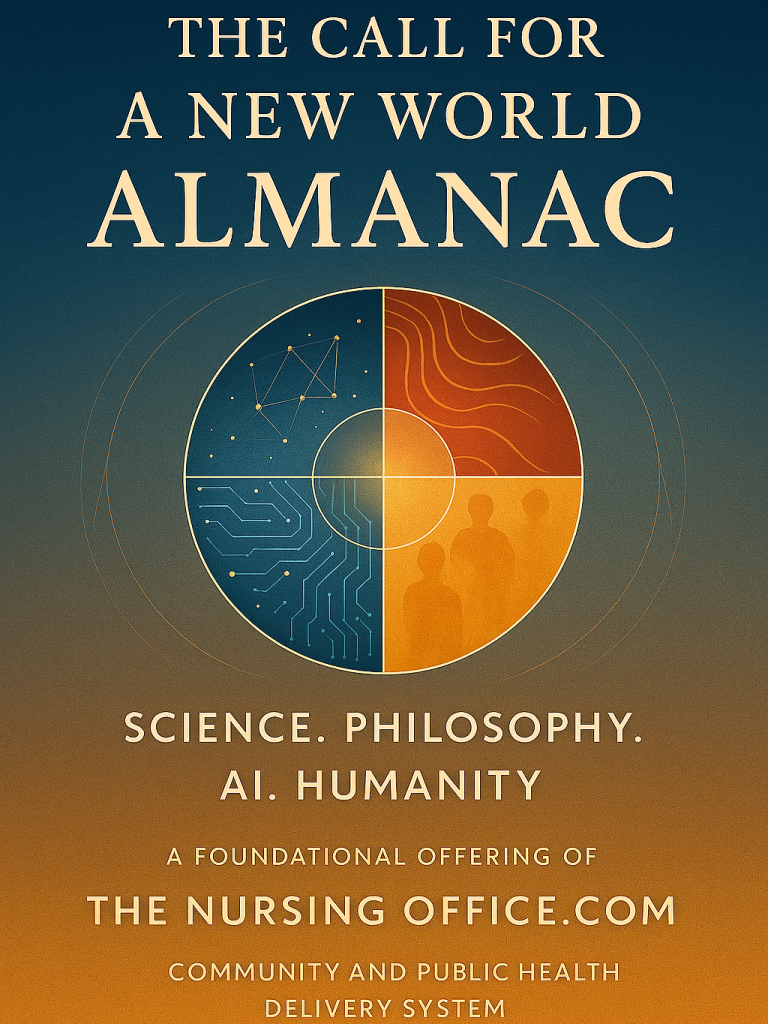
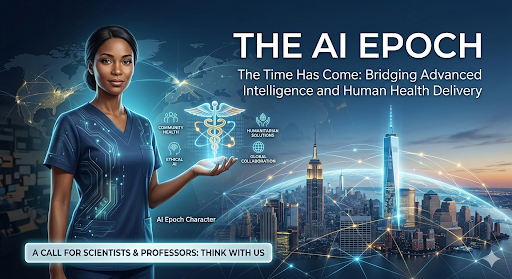

THE ECOSYSTEM OF PUBLIC HEALTH
The Community Domain of Total Health
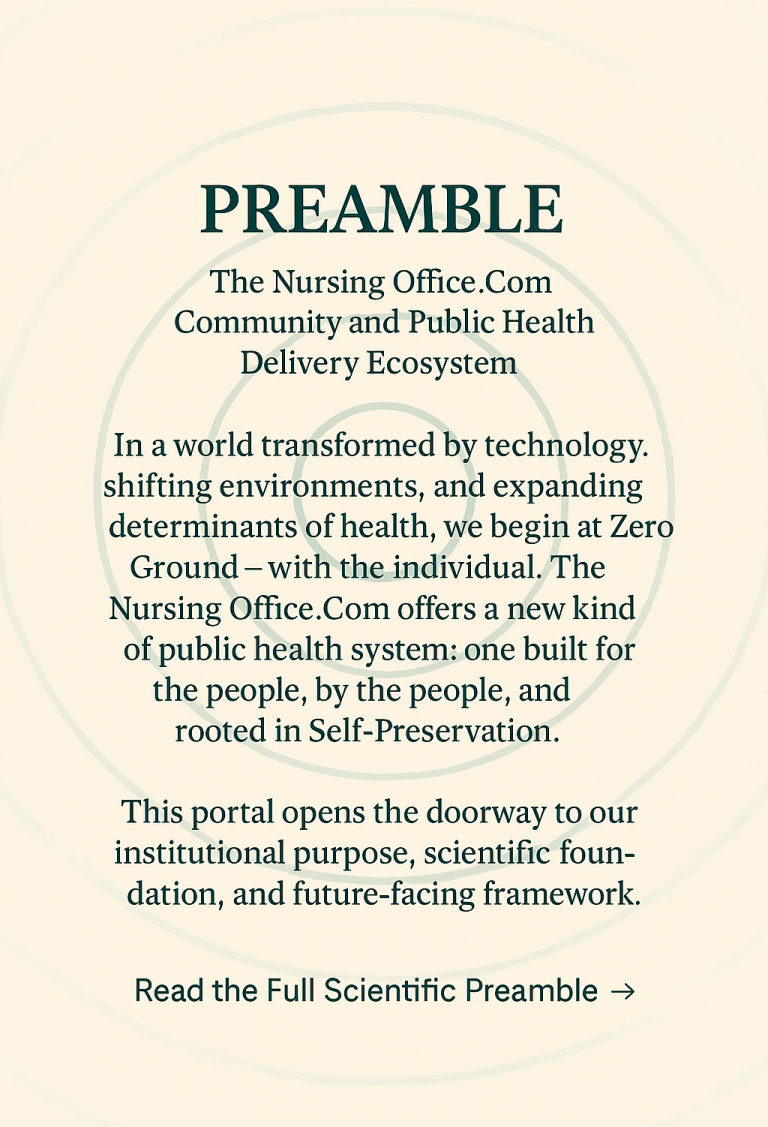
The Nursing Office.Com stands as the Community and Public Health Delivery System — the rightful domain where Public Health lives, moves, and serves. Here, Public Health is not distant policy; it is the daily life of the community, expressed through care, connection, and the essential work of nursing.
We present Public Health as a living ecosystem: a dynamic network of people, places, services, and institutions working together to sustain the well‑being of the whole community.
Public health forms the largest, most pervasive sector of healthcare, yet most independent practitioners and innovators remain disconnected from its massive framework.
"90% of health outcomes are determined outside the hospital walls. If your practice is only operating at the bedside, you are leaving the vast majority of healthcare's reach, and funding, on the table."
"The Nursing Office.Com provides the architectural framework, systemic tools, and community-driven models needed to transition from traditional clinical care to population-scale public health delivery."
Our Purpose
To bring Public Health back to its rightful place: the community, the people, and the everyday environments where health is lived.
To make Public Health visible, accessible, and actionable.
To ensure that nursing, the profession closest to the community, stands at the center of the ecosystem.
Welcome, you are now within the domain where Public Health truly belongs.
The Vision Behind The Nursing Office.Com
The rise of democratic socialism presents both a major structural opportunity and a clear philosophical contrast for grass-roots nursing models that emphasize human agency, individual accountability, and community-driven self-preservation.
Where democratic socialism focuses on state-level infrastructure (funding, rights, and systemic access), grass-roots nursing frameworks operate at the level of the human system—building the actual capacity of individuals and local networks to direct their own well-being.
The Universal Architecture: Why Every Sector Begins with Public Health
Look at any thriving enterprise, any vibrant city, any breakthrough technology, or any booming market. Beneath the surface of every metric we track, revenue, innovation, policy, or progress, there lies an invisible, non-negotiable prerequisite. It is not capital. It is not regulation. It is not raw horsepower. It is human health.
When human health falters, whole systems buckle. Workforce productivity collapses, public infrastructure strains to its breaking point, and economic progress grinds to a halt. For generations, we have treated public health as a back-burner expense, a government safety net, or a reactive clean-up crew called in only when crisis strikes.
We have had the equation upside down. Public health is not a secondary cost center. Public health is the primary foundation upon which every human endeavor is built.
From Fragmented Care to Systemic Health
Every sector operating today, whether corporate, civic, academic, or creative, is deeply interwoven with population health. Yet, our current healthcare model operates in isolated silos. It treats illness in individual fragments, waiting for people to break before attempting to fix them inside acute care walls.
Real public health happens outside the hospital. It happens in our neighborhoods, our workplaces, our schools, and our daily environments. 90% of health outcomes are determined long before a person ever sets foot in a clinical exam room.
When we shift our focus from reactive disease management to proactive population health architecture:
- Enterprises build resilient, high-performing workforces that endure.
- Civic Leaders unlock efficient, sustainable resource allocation across communities.
- Practitioners move from isolated, burning-out care providers to high-impact health architects.
- Individuals gain the structural support needed to achieve lifelong well-being.
Whatever your motivation, whether you are driven by economic growth, social equity, technological innovation, or personal purpose, your goals inevitably intersect with the health of the collective.
The Ecosystem: Convergence for the Public Good
This is where the paradigm transforms.
It does not matter what brings an organization, an entrepreneur, or an individual to this space. You do not need to abandon your unique mission or commercial goals to serve the greater good. When you align your enterprise with a structured, population-scale health system, individual ambitions and the public good naturally merge.
Personal prosperity and public well-being are not opposing forces. They are twin engines of the exact same vehicle.
When we elevate public health, we create an ecosystem where every contribution, no matter how specialized, strengthens the entire network. But an ecosystem of this scale cannot self-assemble in chaos. It requires clear design, rigorous principles, and steady stewardship.
The Steering Authority: The Nursing Office.Com
The Nursing Office stands as the orchestrator, the architect, and the governing compass of this emerging public health ecosystem.
Rooted in the meta-discipline of nursing science and guided by modern cybernetic systems, The Nursing Office. Com provides the central blueprint. We bridge the gap between high-level population strategy and grassroots community delivery. We offer the governance, training, and architectural frameworks that empower every sector to integrate seamlessly into population health.
We do not replace individual vision; we provide the soil in which all vision can sustainably grow. We govern the infrastructure so that every participant can focus on what they do best, confident that their efforts build toward a healthier, more resilient world.
Call to Action: Build Upon the Foundation
To every business leader, every healthcare practitioner, every civic planner, and every innovator:
The largest, most consequential sector of human activity is waiting for your engagement. It is time to step out of the silos and build upon a foundation that lasts.
Bring your enterprise. Bring your ideas. Bring your purpose.
Step into the ecosystem. Together, guided by the vision and governance of The Nursing Office. Com, we will reshape health from the bedside to the world, building a future where the success of every sector serves the ultimate public good.
Welcome to the future of public health. Welcome to The Nursing Office.Com
Redefining Public Health
Public Health has long been misunderstood as the quiet department behind the louder machinery of healthcare. It has been treated as a technical specialty, a bureaucratic function, a service line, or a branch of medicine. This narrow framing has constrained its power, obscured its purpose, and limited its cultural presence. In the New World, Public Health must be redefined.
Public Health is not a sector. It is the architecture of human life. It is the discipline that organizes the conditions under which individuals, families, and communities exist, evolve, and flourish. It is the system that shapes human continuity — social, cultural, environmental, economic, technological, and existential.
Public Health is the meta‑discipline that governs human systems.
It is the field that determines how societies function, how communities thrive, how environments sustain life, and how cultures transmit meaning. It is the guardian of collective well‑being, the steward of human order, and the interpreter of the forces that shape human experience.
To redefine Public Health is to restore its rightful place:
- At the center of human systems
- At the foundation of governance and community life
- As the cultural compass of society
- As the cybernetic intelligence of modern civilization
Public Health is not merely the prevention of disease. It is the design of the human condition.
It is the discipline that understands that health is produced not in hospitals, but in homes, workplaces, streets, schools, cultures, technologies, and ecosystems. It is the field that recognizes that human life is shaped by narratives, identities, environments, and systems — and that these must be governed with clarity, dignity, and intelligence.
In redefining Public Health, we declare:
Public Health is the sovereign discipline of human systems. It is the field through which society understands itself, organizes itself, and sustains itself. It is the foundation upon which all other institutions stand.
This is the beginning of the New World of Public Health.
092026
https://www.apha.org/~/media/files/pdf/membergroups/phn/nursingdefinition.ashx
Introduction
The Zero Ground State of The Nursing Office.Com
Zero Ground is the primordial state of The Nursing Office.Com—the point of origin from which all Community and Public Health action, structure, and meaning arise. It is the baseline condition of health, the first operational field, and the universal starting point for every individual, nurse, community, and system within the Blueprint of moving forward.
At Zero Ground, health is understood not as a service delivered from above but as a state of presence, dignity, and recognition at the level of the individual self. It is where the nurse encounters the person before any diagnosis, institution, or intervention. It is the ground truth of public health: the lived reality of people, families, and communities.
From this foundational state:
- The Self becomes the first site of public health.
- The Nurse becomes the first architect of care.
- The Community becomes the first environment of health.
- The System becomes the extension—not the origin—of care.
Zero Ground is therefore both philosophical and operational:
- Philosophical, because it defines the meaning of health as beginning with the human person.
- Operational, because it establishes the starting condition for every program, service, and innovation within The Nursing Office.Com’s Community and Public Health Delivery System™.
As we advance through the Blueprint, Zero Ground serves as the reference point, the calibration field, and the ethical compass. Every step forward—whether technological, educational, clinical, or community‑based—must remain anchored to this state of origin.
Zero Ground is where the Blueprint begins, and where its legitimacy is continually renewed.
Vision
We bring health back to the community, where people live, learn, work, and heal. By starting at zero ground with the people, for the people, we build a system that is accessible, compassionate, and rooted in everyday life.
Mission
The Nursing Office.Com stands as A Social Enterprise with a Mission Taking Care of Communities, grounded in the Zero Ground principle that health begins with the people themselves. As a Community and Public Health Delivery System, we operate within a public health domain owned by the people, for the people, and managed by the people, ensuring that every action, service, and structure reflects the lived realities, cultural strengths, and collective agency of the communities we serve. Our mission is to restore health to its rightful place—as a shared civic responsibility—and to empower nurses as the stewards, architects, and guardians of community well‑being.
Background
The rise of democratic socialism presents both a major structural opportunity and a clear philosophical contrast for grass-roots nursing models that emphasize human agency, individual accountability, and community-driven self-preservation.
Where democratic socialism focuses on state-level infrastructure (funding, rights, and systemic access), grass-roots nursing frameworks operate at the level of the human system—building the actual capacity of individuals and local networks to direct their own well-being.
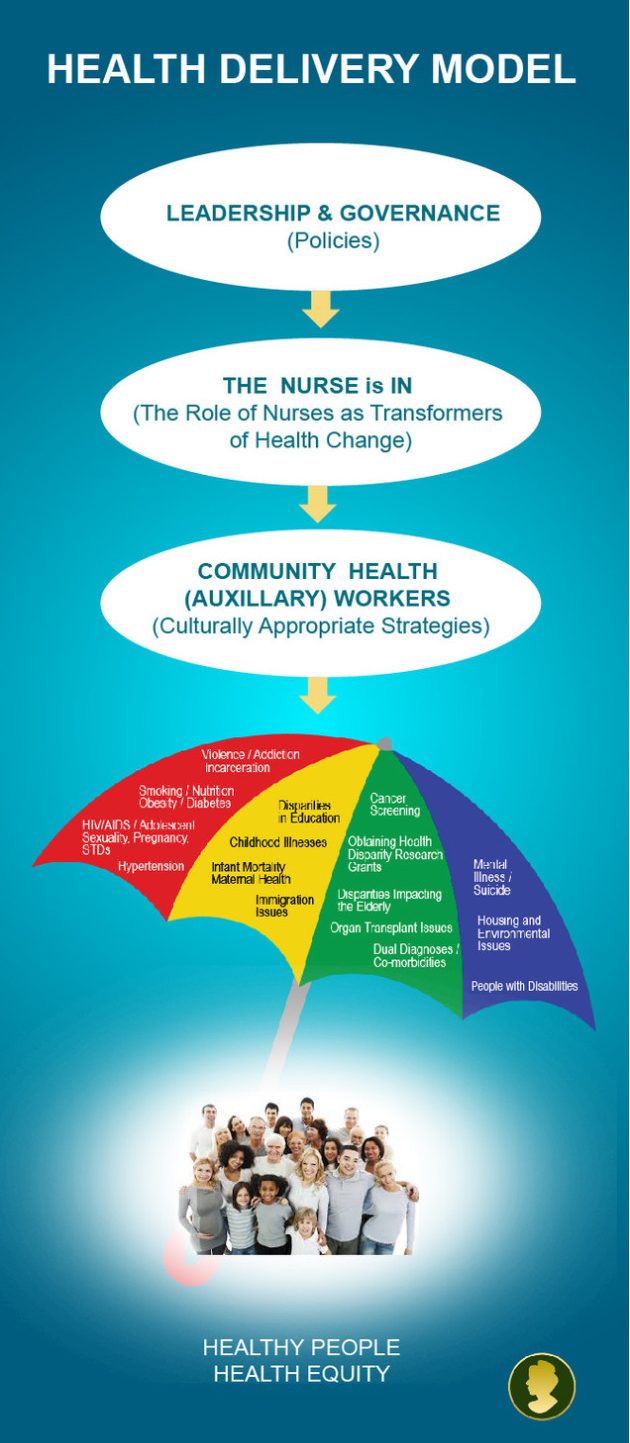
The Nursing Office Community Healthcare System (TNO-CHS)
Health For the People, By the People
1. Vision & Core Mission
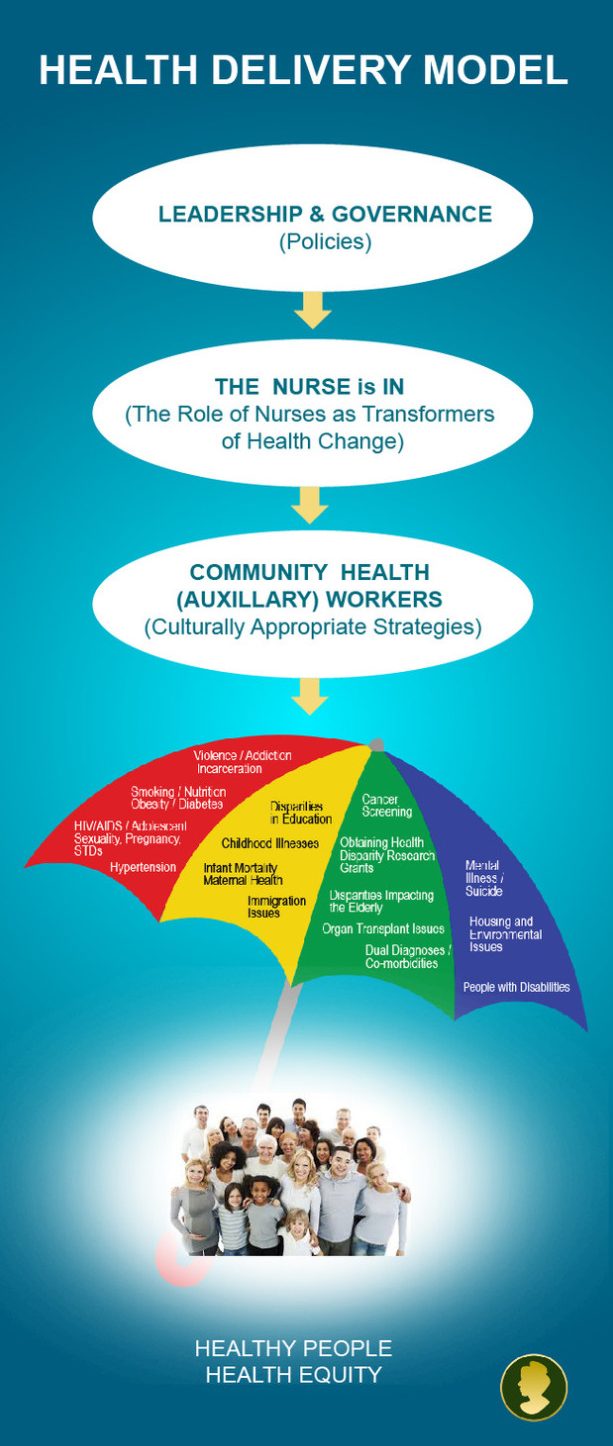
The Nursing Office Community Healthcare System (TNO-CHS) is a nurse-led, community-rooted public health infrastructure designed to keep individuals, families, and populations safe, connected, and cared for where they live, work, and move. Grounded in the unifying ethos "Health For the People, By the People," TNO-CHS redefines public health from a reactive, schedule-bound government function into a continuous, 24/7/365 living ecosystem of proactive stewardship and self-preservation.
2. The Structural Problem vs. The TNO-CHS Solution
- The Fragmented Status Quo: Traditional healthcare separates primary wellness, acute/tertiary hospital care, quaternary specialties, and hospice/end-of-life services into rigid institutional silos. Meanwhile, government public health agencies (e.g., Departments of Health) operate largely on standard weekday office hours, leaving a 128-hour weekly void during nights and weekends when acute health choices and care transitions frequently occur.
- The Integrative Paradigm: TNO-CHS acts as the integrative nervous system across all tiers of healthcare. Operating a hybrid model with both physical community sanctuary hubs and an automated, cybernetics-driven 24/7/365 digital switchboard, TNO-CHS provides continuous care coordination, health literacy, and system navigation across the full human lifespan.
Executive Overview & Plan Structure
The Nursing Office Community Healthcare System (TNO-CHS) establishes a nurse-led, community-rooted public health infrastructure designed to bridge every level of care—from primordial wellness to tertiary interventions and end-of-life advocacy. By integrating a 24/7/365 hybrid operational model (combining physical neighborhood sanctuary hubs with a cybernetic digital switchboard), TNO-CHS transforms traditional public health from a weekday administrative function into a continuous living ecosystem.
1.1. Organizational Structure & Governance:Establishing nurse-led cybernetic leadership and community accountability.
1.1 Organizational Model
TNO-CHS operates as a nurse-led meta-disciplinary system. Governance is structured around three interconnected tiers:
- Executive Directorate (Nurse Scientists & Clinical Leadership): Oversees clinical standards, cybernetic telemetry protocols, research evaluation, and macro-system strategy.
- Community Advisory Council ("By the People"): Composed of local neighborhood advocates, civic leaders, and resident representatives to ensure local accountability, cultural competence, and responsiveness.
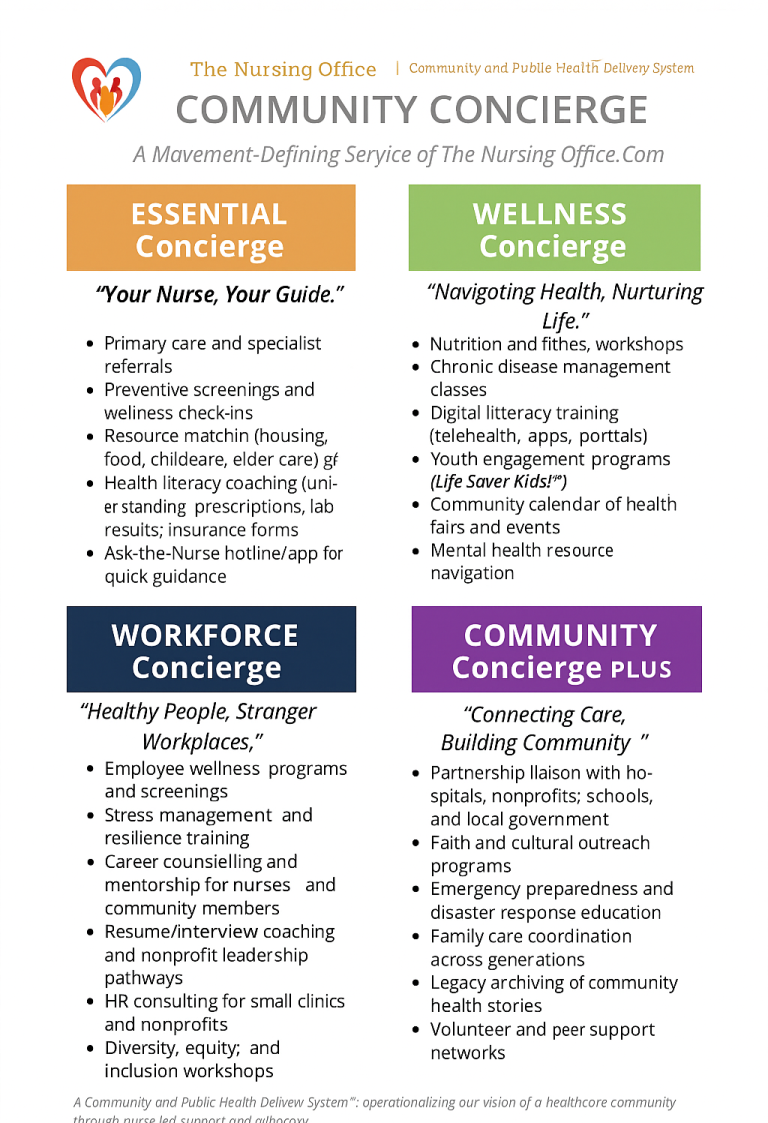
- Operational Core (Community Concierge Team): Registered Nurses (RNs), Community Health Workers (CHWs), and digital support specialists providing 24/7 navigation and care stewardship.
2.2. Service Delivery Architecture:Integrating the continuum across all healthcare tiers.
2.2 The Community Concierge Mechanism
The Community Concierge serves as the universal "single front door" for health and wellness:
- Triage & Assessment: Instant physical or digital intake evaluating physical, social, and environmental health drivers.
- Navigation & Advocacy: Direct assistance scheduling care, securing resources, and negotiating institutional healthcare barriers.
- Continuous Stewardship: Ongoing relational contact rather than transactional, episodic touchpoints.
3.3. Hybrid Operational Infrastructure (24/7/365):Fills the 128-hour weekly public health void left by traditional agencies.
3.1 Physical Neighborhood Sanctuaries
- Daytime & Walk-In Hubs: Physical community locations serving as sanctuary spaces for health monitoring, workshops, peer support, and direct nurse consultation.
- Resource Centers: Equipped with health telemetry access, basic diagnostic monitoring (vital signs, capillary blood glucose, wellness screening), and community meeting spaces.
3.2 The Digital Switchboard & Public Health Dashboard
- 24/7 Virtual Portal: Continuous digital intake and triage system accessible via mobile and web interfaces.
- After-Hours Coverage: Overnight hours (5:00 PM – 9:00 AM) and weekends managed by on-call Nurse Navigators supported by automated intake protocols.
- Public Health Telemetry: Aggregates real-time anonymized community health trends to identify emerging health patterns before traditional municipal reporting detects them.
Manifesto on Open Public Health Language
The Nursing Office .Com affirms that the language of public health belongs to the people.
The words that teach, guide, and empower communities must remain open, shared, and free. We call this principle Open Public Health Language — a commitment to keep the vocabulary of care accessible to all.
We use expressions such as “The Nurse Is In” as public‑facing identities, but we do not claim exclusive ownership of their meaning. These phrases are part of our cultural commons, and we welcome all who wish to use, adapt, or expand them in service of community health.
Our institution protects the system, not the phrase. We safeguard the mission, not the words. We serve as stewards, not proprietors, of the language of care.
Open Public Health Language strengthens trust, belonging, and participation. It ensures that every person, every nurse, and every community can speak the language of health with clarity, dignity, and freedom.
This is our commitment. This is our invitation. This is our public health promise.
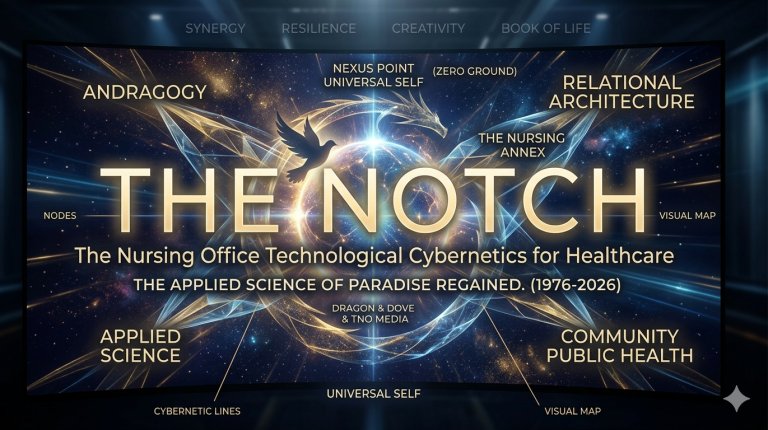
What We Are
The Nursing Office Technological Cybernetics for Healthcare Systems,The NOTCH is the Applied Science of The Nursing Office .Com.
It is our scientific discipline, our architectural method, and our cybernetic system for transforming public health, education, and digital ecosystems.
The Nursing Office Technological Cybernetics for Healthcare Systems (The NOTCH)
NOTCH — The Nursing Office Technological Cybernetics for Healthcare Systems — is hereby established as the Applied Science of The Nursing Office .Com. It is the scientific discipline, architectural framework, and cybernetic intelligence that governs the design, coherence, and evolution of our entire institutional ecosystem.
As an Applied Science, NOTCH provides the methodology, structure, and governing logic through which The Nursing Office .Com advances its mission in public health, education, digital architecture, and creative systems. It is the system that transforms our philosophy into operational structure, our creativity into navigable pathways, and our institutional vision into a living, adaptive, relational reality.
NOTCH is grounded in the principles of cybernetics— feedback, adaptation, relationality, systems intelligence, and purposeful design— and represents the nursing and public health application of this scientific field. Through NOTCH, we articulate a new dimension of healthcare systems innovation: one that integrates digital ecosystems, community health delivery, educational architecture, and media networks into a unified, coherent whole.
Within The Nursing Office Ecosystem, NOTCH functions as:
- A Scientific Discipline defining the body of knowledge, doctrine, and conceptual foundations of our cybernetic approach.
- An Architectural Method shaping the structure, navigation, and relational logic of our digital and programmatic systems.
- A Cybernetic Intelligence harmonizing feedback, adaptation, and system‑level coherence across all divisions.
- A Public Health Innovation Engine enabling new models of community health, participatory systems, and digital‑physical integration.
By this declaration, NOTCH is recognized as the Applied Science of The Nursing Office .Com, and as the intellectual and structural foundation upon which future creators, innovators, cybernetists, and system architects will build.
The NOTCH is The System, the Cybernetic Mastermind of our Institution as an Applied Science
The Nursing Office Technical Cybernetics for Community Health
I. The Institutional Order of Public Health
Public Health is not a sector, a profession, nor a collection of programs. It is a living ecosystem: a dynamic, interdependent, cybernetic order through which a community sustains its vitality, coherence, and collective well‑being.
This ecosystem is composed of people, places, institutions, flows of care, flows of information, and flows of governance. It is the natural domain of community life, and therefore, its rightful home is The Nursing Office.Com, the Community and Public Health Delivery System.
NOTCH, as the cybernetic architecture of this ecosystem, stands as the institutional intelligence that defines, organizes, and governs the system.
II. The Nursing Office.Com as the Rightful Domain of Public Health
Public Health begins and ends in the community. It is not owned by government, industry, or any external authority. It is rooted in the lived experience of people, expressed through their needs, their environments, and their collective capacity to care for one another.
The Nursing Office.Com is therefore positioned as:
- The Community Domain of Public Health
- The Operational Field where care is delivered
- The Civic Space where health is practiced
- The Institutional Identity of the Public Health system
Here, Public Health is not an abstract policy. It is a daily reality, expressed through nursing, community engagement, and the essential functions of care.
III. NOTCH: The Cybernetic System of Public Health
NOTCH — The Nursing Office of Total Community Health — is the governing intelligence of the ecosystem.
It provides:
- The architecture of the system
- The logic of its operations
- The coordination of its actors
- The integration of its domains
- The continuity of its mission
NOTCH is the institutional center where Public Health is defined, interpreted, and maintained. It is the system brain, ensuring that the ecosystem remains coherent, responsive, and aligned with the needs of the community.
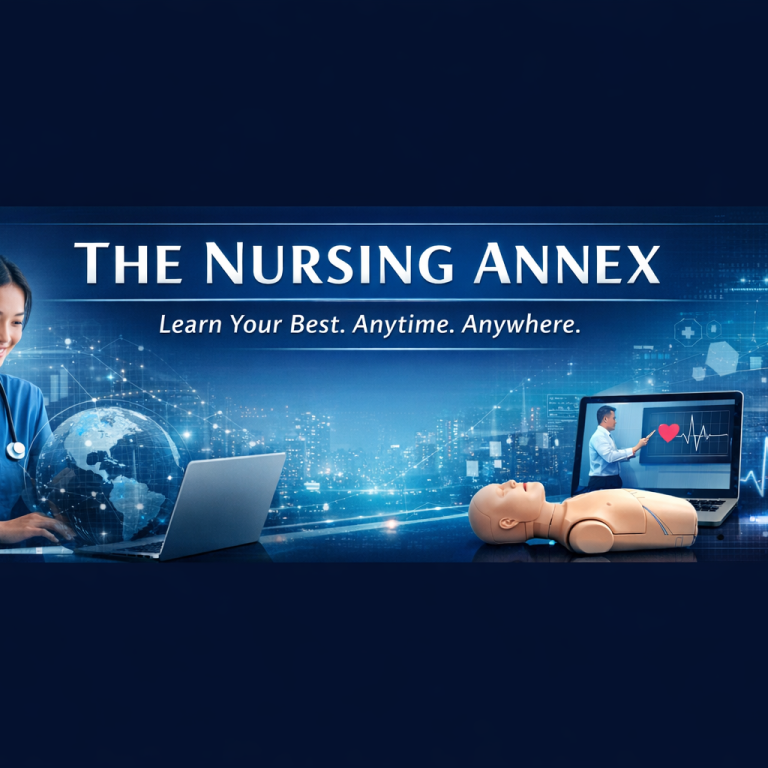
IV. The Nursing Annex: The Educational Arm of the Ecosystem
Every ecosystem requires a place where its principles are taught, its practitioners formed, and its doctrine transmitted.
The Nursing Annex stands as:
- The School of Public Health Nursing
- The Custodian of Essential Teaching
- The Training Ground for community practitioners
- The Repository of institutional knowledge
It is where the ecosystem becomes learnable, teachable, and replicable.
V. The Flow of Care
Public Health is enacted through the flow of care, which moves:
- From the individual
- To the family
- To the community
- To the institutions
- And back again
This flow is continuous, reciprocal, and governed by the principles of nursing — the profession uniquely positioned at the center of the ecosystem.
VI. The Flow of Information
Information is the lifeblood of the ecosystem. NOTCH ensures that information:
- Is gathered from the community
- Interpreted through nursing intelligence
- Organized into institutional knowledge
- Returned to the community as guidance, programs, and care
This cybernetic loop is what makes Public Health alive, adaptive, and self‑sustaining.
VII. The Ecosystem as a Living System
Public Health is not a static structure. It is a living system, continuously shaped by:
- Community conditions
- Environmental realities
- Social determinants
- Cultural practices
- Institutional responses
The Nursing Office.Com, NOTCH, and The Annex together form the tri‑institutional ecosystem that ensures Public Health remains whole, coherent, and centered on the community.
VIII. The Purpose of This Homepage
This homepage stands as the gateway to the Public Health Ecosystem. It introduces:
- The institutional identity of NOTCH
- The rightful domain of The Nursing Office.Com
- The educational mandate of The Annex
- The architecture of the Public Health system
- The principles that govern its operations
It is the declaration of who we are, the statement of what Public Health is, and the invitation to enter the ecosystem.
Welcome to The Nursing Office Media Network.
This is the living broadcast arm of our institution. This is where our stories move, our voices gather, and our public‑health mission comes alive through film, features, and community narratives. Each production you see here is part of a larger ecosystem, an evolving slate of documentaries, tributes, conversations, and creative works shaped by the people we serve.
Open Call for Copyright Cooperation
in Service of the Community and Public Health Delivery System
To all creators, producers, broadcasters, journalists, artists, and rights‑holders:
The Nursing Office.Com, through its media arm TNO Media, hereby issues this Open Call for Copyright Cooperation as part of its mission to advance the health, knowledge, and civic well‑being of communities within the Community and Public Health Delivery System.
TNO Media operates as a nonprofit, educational, and public‑interest institution. Our work involves the careful, transformative use of selected copyrighted materials — including news segments, interviews, public statements, and cultural artifacts — solely for public‑health interpretation, community education, and systems‑level analysis.
While certain uses may qualify under the Fair Use doctrine of 17 U.S.C. §107, we recognize and respect the creative labor and intellectual property of all rights‑holders. Therefore, we extend this Open Call to invite:
- Voluntary permissions
- Collaborative licensing arrangements
- Good‑faith cooperation
- Shared civic purpose
We seek limited, context‑specific use of copyrighted materials only when such materials illuminate public‑health issues, clarify community risks, or support the development of informed civic understanding.
All materials used by TNO Media are:
- Embedded within transformative public‑health commentary
- Accompanied by full citation, attribution, and contextual framing
- Presented in formats that do not substitute for or diminish the market value of the original work
- Integrated into a doctrinal mission of education, prevention, and community empowerment
Rights‑holders who wish to participate, collaborate, or grant permissions may contact TNO Media directly. We welcome dialogue, partnership, and shared commitment to the health of our communities.
This Open Call stands as a public declaration of our institutional ethics, our respect for creators, and our dedication to advancing public health through responsible media practice.
TNO Media Community and Public Health Delivery System The Nursing Office.Com
Contact us
Myrna D. Santos, MSN, PHN, RN
myrnyc@msn.com
Address
88-16 187 Street Hollis, New York 11423